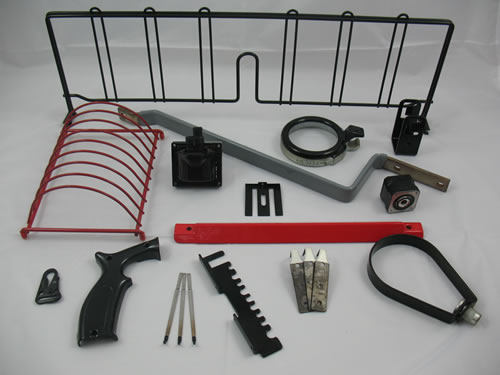
Wire racks, playground equipment, exercise equipment, tool handles, gas pump handles, fences and grating are all often coated in plastisol using the dip coating method. Read More…
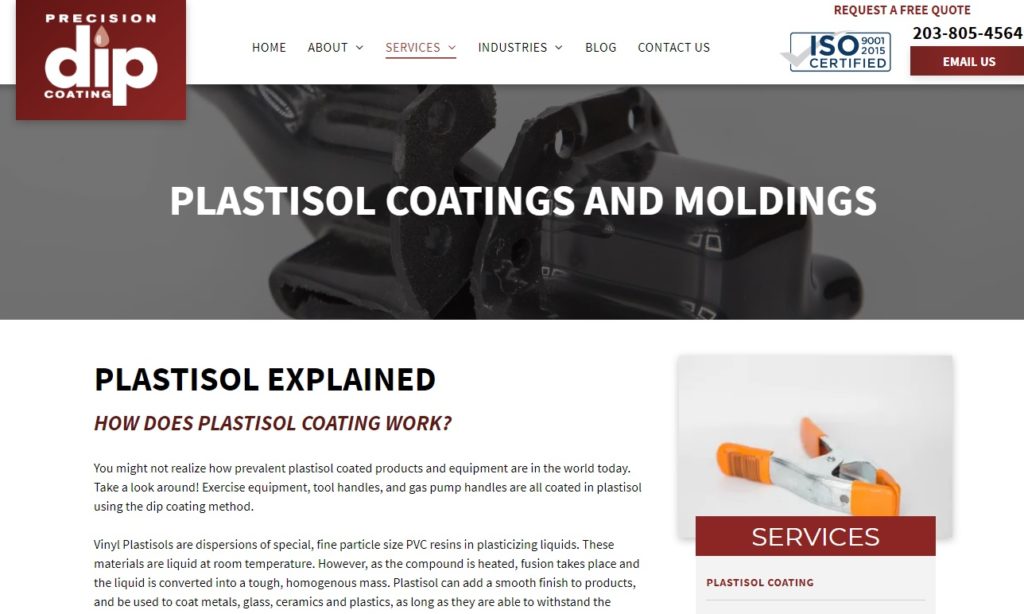
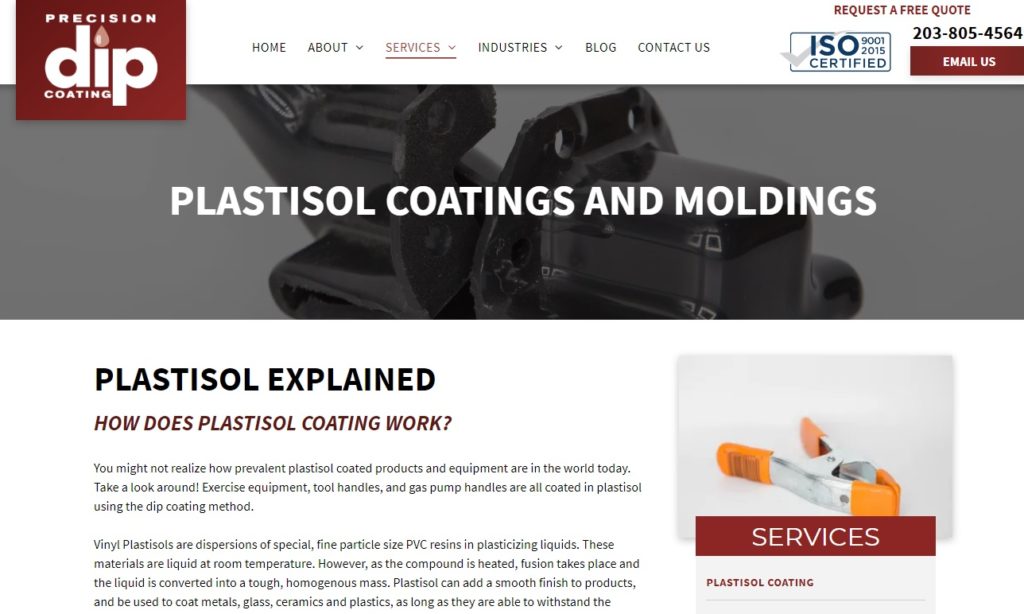
Precision Dip Coating provides dip coating services for the manufacture of soft plastic parts such as cap plugs. hand grips, and more. Decorative and protective, our services are very cost effective and we have a proven track record for on time delivery and precise manufacturing. We can match any color you need, and offer services such as assembly, die cutting, packaging, and decorating.
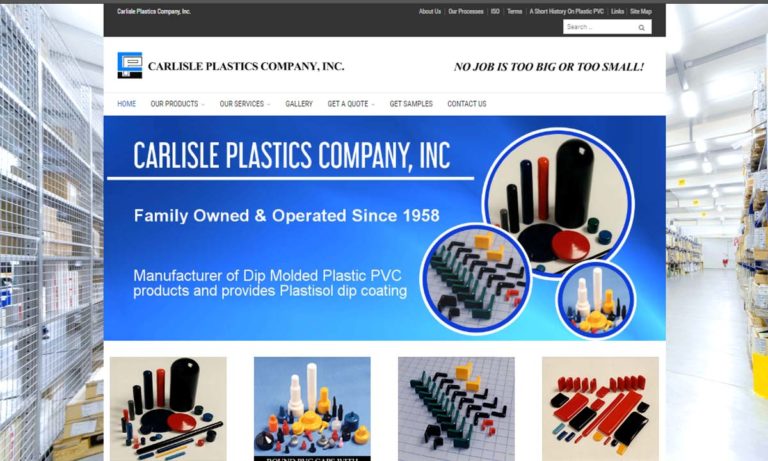
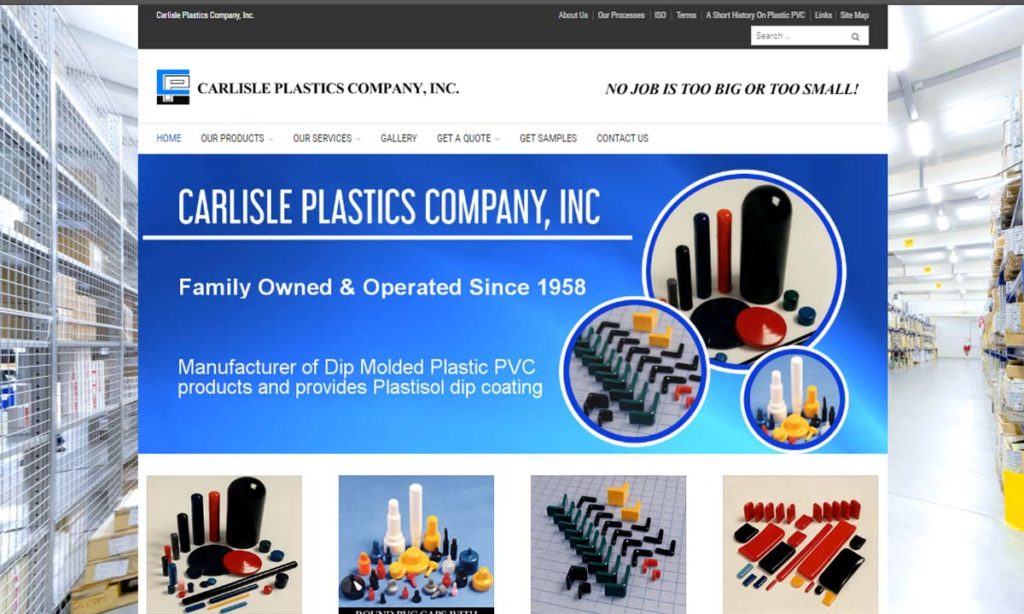
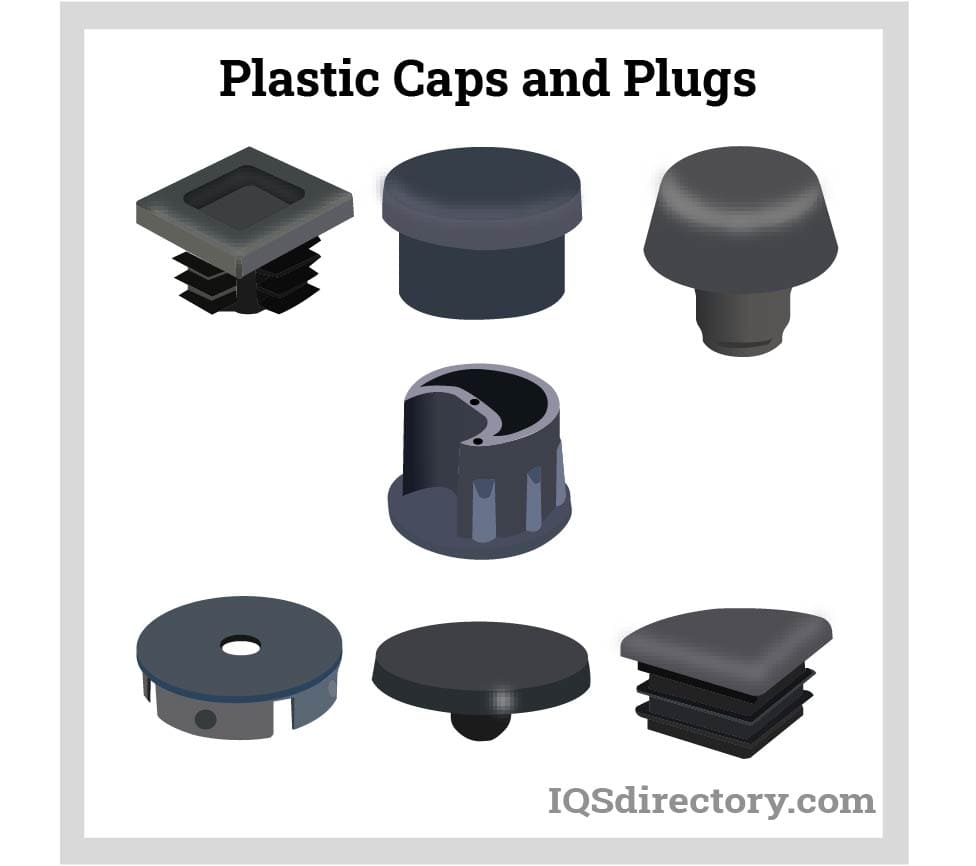
Carlisle Plastics is a dip molding plastics manufacturer offering end caps, plastisol paint masks, thread protectors, tube closures, protective caps and decorative caps.
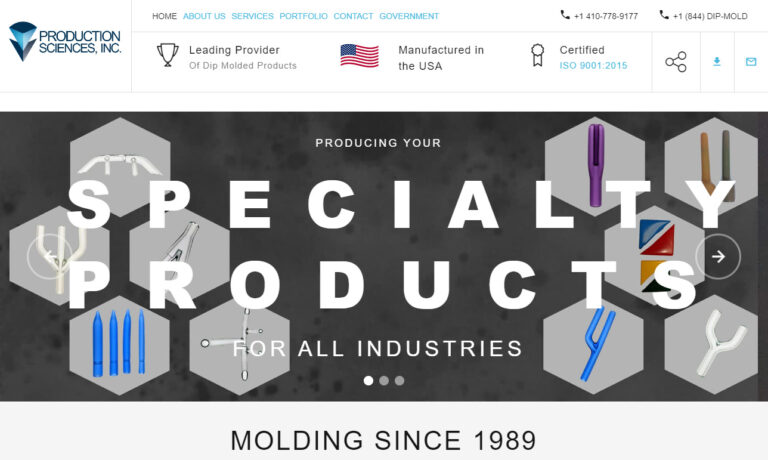
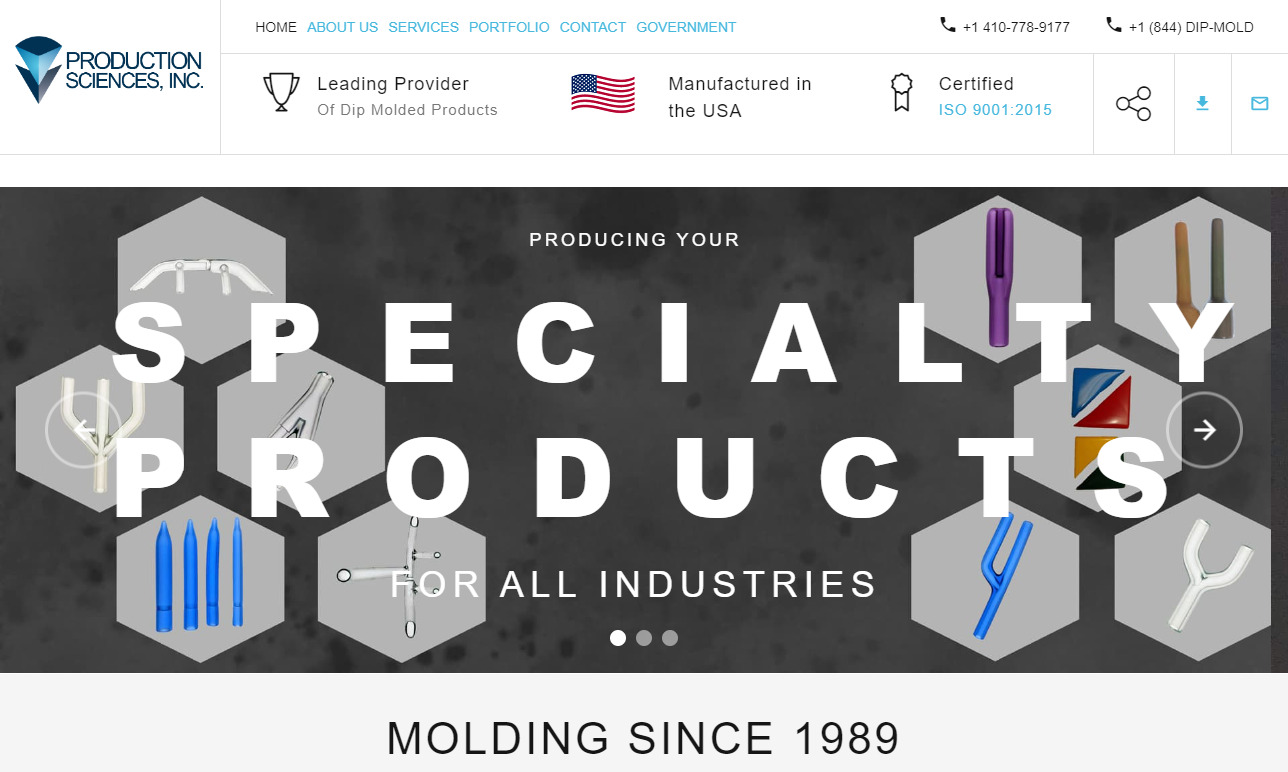
At Production Sciences, Inc., we pride ourselves on being pioneers in the realm of dip-molded plastics, sculpting a legacy of innovation and excellence that spans decades. As a collective force, we embody a commitment to precision, creativity, and unwavering quality in the realm of plastic manufacturing.
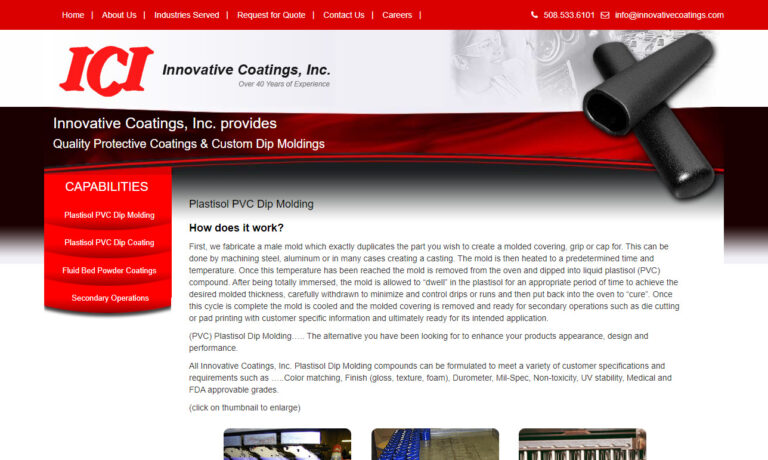
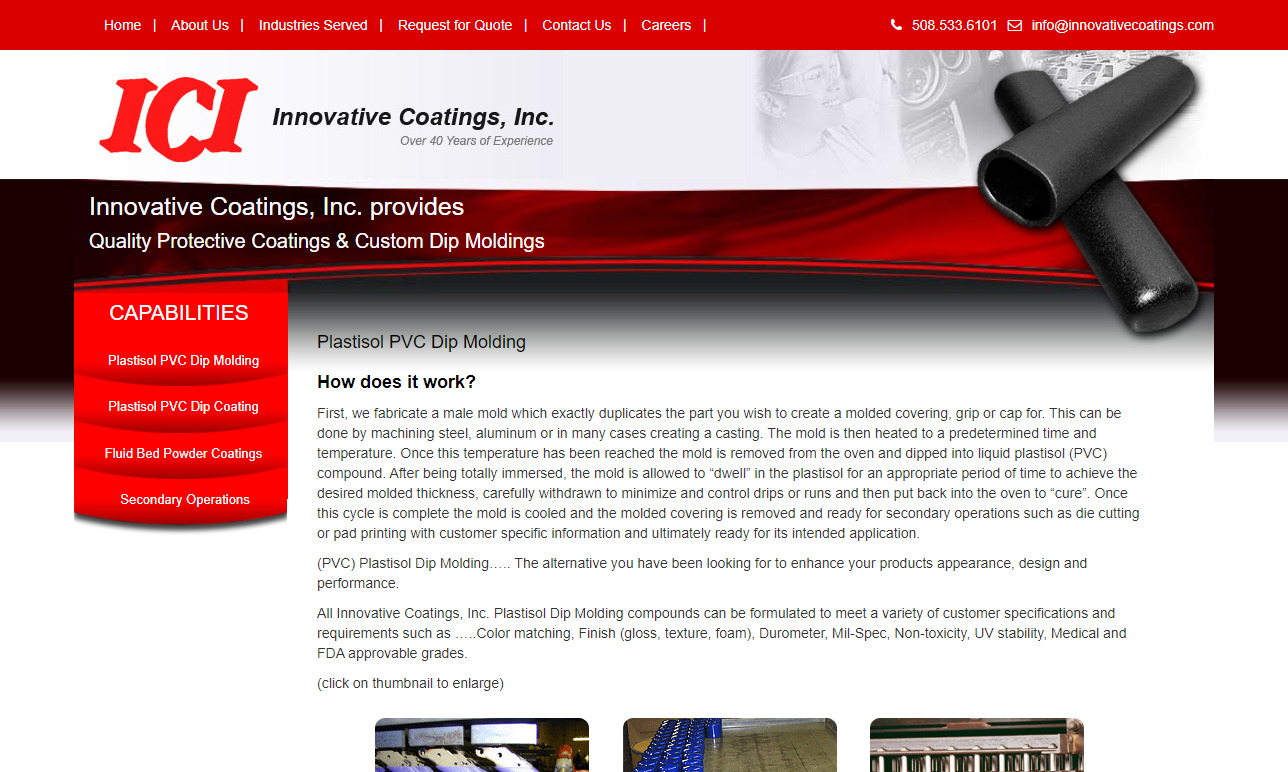
Innovative Coatings is a manufacturer of plastisol dip molding and fluidized bed powder coatings of epoxy, polyolefins, nylon and vinyl. Our dip coatings are of FDA-approved and biomedical grades.

More Plastisol Coating Companies
Comprehensive Guide to Plastisol Dip Coating: Applications, Benefits, and Process
Plastisol dip coating is a highly versatile finishing process widely used across various industries to enhance the durability, aesthetics, and functional properties of metal and non-metal products. As a thick, highly viscous liquid, plastisol adds a smooth, attractive, and protective finish to components. Whether you’re seeking to improve corrosion resistance, electrical insulation, or product safety, plastisol dip coating offers a cost-effective and efficient solution for diverse manufacturing needs.
What is Plastisol and How Does It Work?
Plastisol is a suspension of polyvinyl chloride (PVC) particles in a plasticizer, which transforms into a flexible, rubber-like coating once heated and cured. The unique material characteristics of plastisol make it ideal for a wide range of dip coating applications. Its ability to form a seamless layer over substrates ensures enhanced protection and longevity for the underlying material.
Key Characteristics of Plastisol Coating
- High viscosity for uniform application
- Excellent adhesion to metals (including galvanized steel), glass, ceramics, and certain plastics
- Superior resistance to abrasion, chemicals, and UV exposure
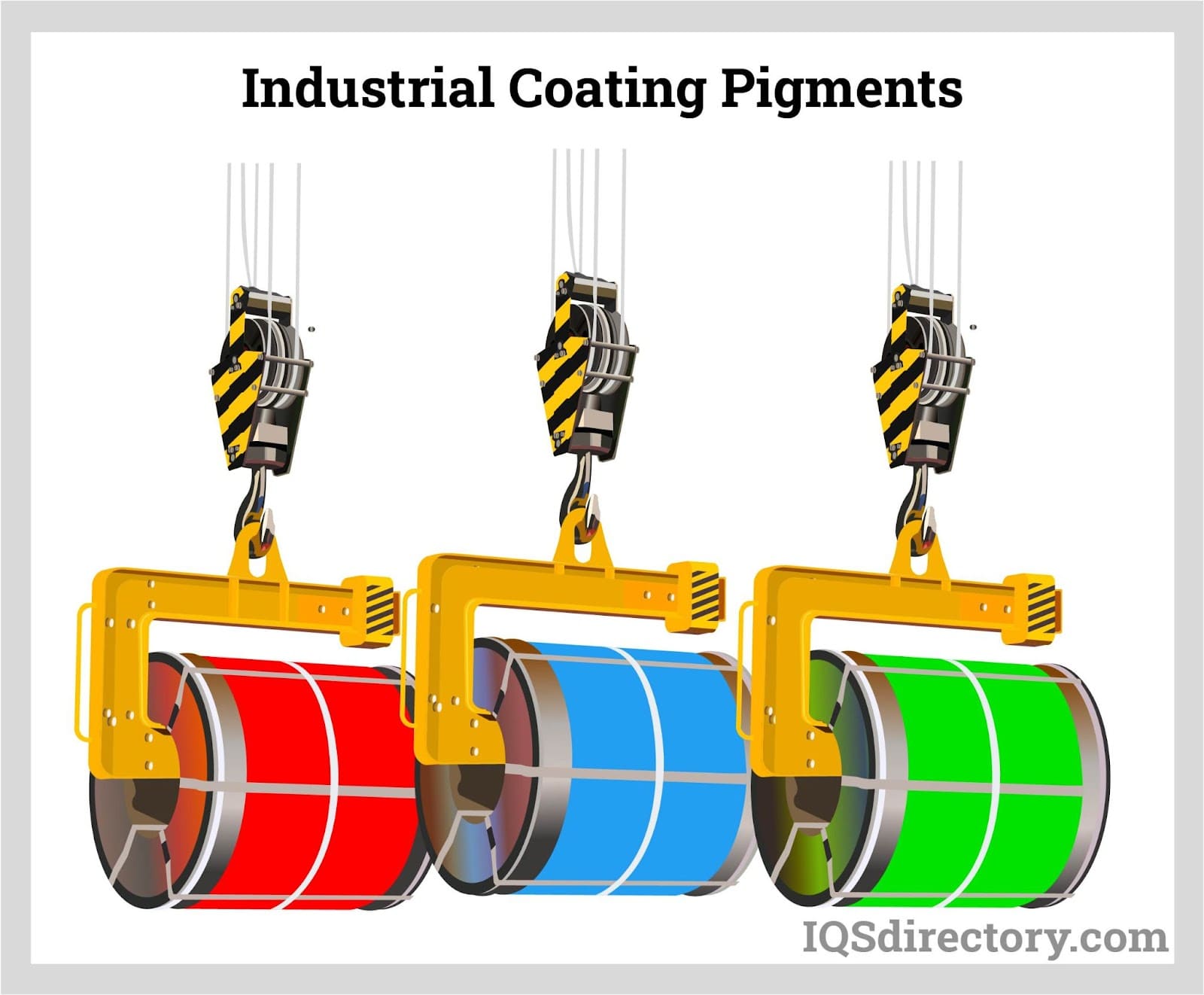
- Customizable color options (standard and bespoke)
- Thermal and electrical insulation properties
- Noise and vibration dampening
- Non-slip surface options for safety applications
Core Benefits of Plastisol Dip Coating
Plastic coating an object using plastisol dip coating technology not only enhances its visual appeal but also delivers a range of functional improvements. Here’s how plastisol coatings can benefit your products and manufacturing processes:
- Improved Noise Reduction & Vibration Dampening: Plastisol’s flexible nature absorbs shocks and reduces unwanted noise, making it ideal for tools, machinery, and equipment handles.
- Enhanced Thermal and Electrical Insulation: The thick, uniform coating acts as a barrier against electrical currents and temperature extremes, protecting sensitive components.
- Corrosion & Chemical Resistance: Plastisol coating creates a robust shield against moisture, chemicals, and harsh environmental factors, extending the lifespan of metal and wire products.
- Elimination of Sharp Edges: The coating process rounds off sharp corners, improving safety and eliminating the need for deburring in metal fabrication.
- Cost Efficiency: The dip coating process is streamlined and reduces labor costs. Minimal material waste and no need for secondary finishing further optimize manufacturing expenses.
- Versatility in Design: Plastisol can be matched to virtually any color, enabling branding and visual customization for end products.
Common Uses and Industry Applications for Plastisol Dip Coating
Plastisol dip coating is utilized across numerous sectors due to its adaptability and performance benefits. If you’re wondering where is plastisol dip coating used, consider the following industry applications:
- Automotive Components: Battery terminals, clamps, steering wheel grips, and tool handles benefit from improved protection and insulation.
- Construction & Fencing: Coating around wires, mesh panels, chain link fences, and fasteners provides corrosion resistance and extends outdoor durability.
- Electrical & Electronics: Wire harnesses, connectors, and cable ends are insulated and protected from moisture and abrasion.
- Consumer Goods: Kitchen utensils, appliance handles, and exercise equipment gain a slip-resistant, comfortable, and aesthetically pleasing finish.
- Medical Devices: Instruments, grips, and handles are coated for improved hygiene, insulation, and tactile properties.
- Marine & Outdoor: Boat fittings, dock hardware, and playground equipment are shielded from salt, UV, and weather exposure.
- Industrial Machinery: Hand tools, machine parts, and fixtures benefit from increased safety, reduced wear, and easier maintenance.
Looking for a specific use case? Ask us about custom plastisol dip coating solutions for your industry or application.
Plastisol Dip Coating Process: Step-by-Step Overview
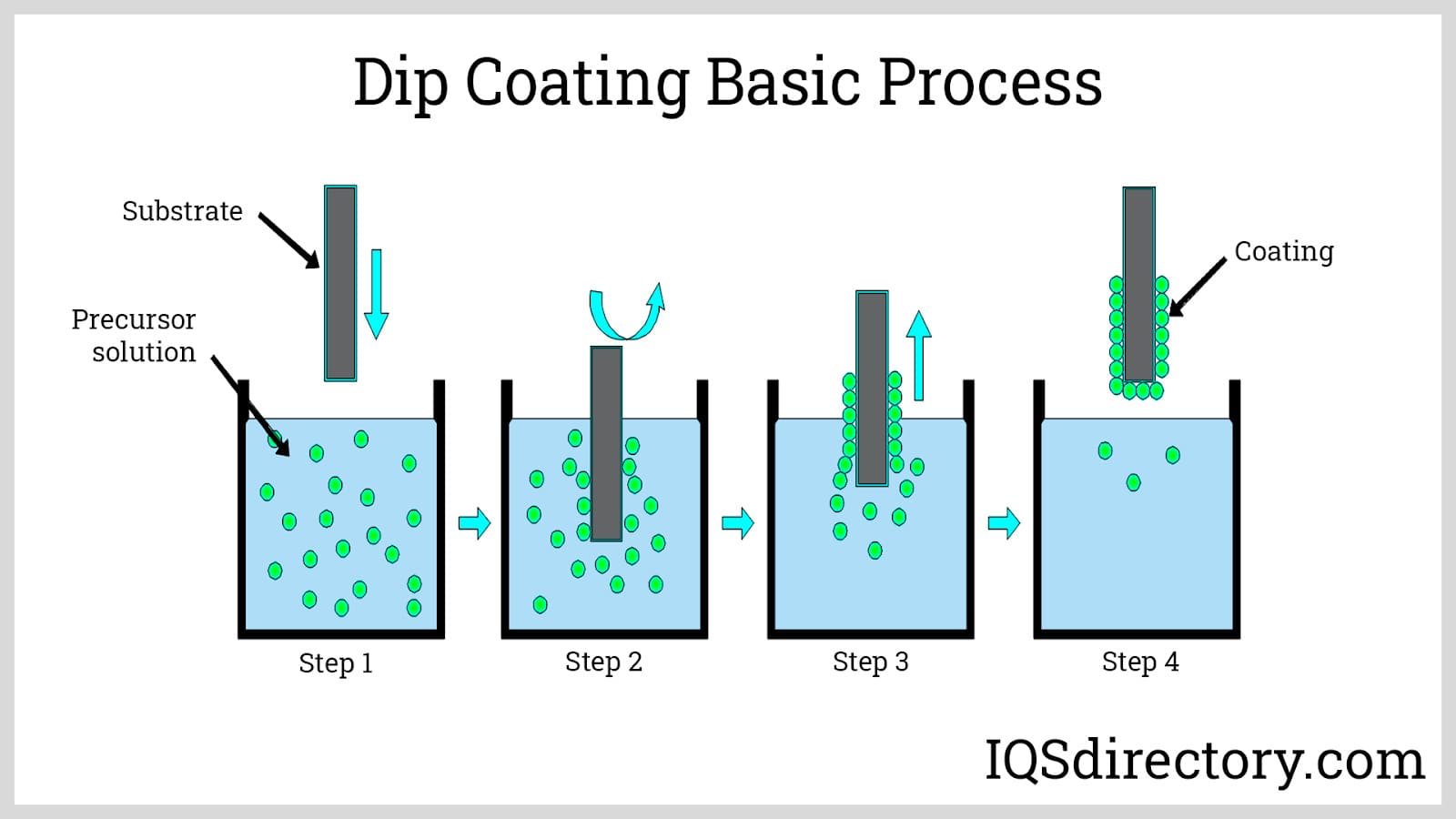
The plastisol dip coating process is a multi-stage thermal procedure designed to ensure optimal adhesion and finish quality. Understanding each stage can help you evaluate whether this coating method fits your product requirements.
- Preparation and Cleaning: All components are thoroughly cleaned to remove oils, dirt, and contaminants. This step is crucial to promote strong adhesion and avoid defects in the final coating.
- Preheating: The substrate is preheated in an oven to a precise temperature. Preheating ensures that the plastisol gels and fuses evenly upon contact.
- Priming (Optional): For applications requiring permanent adhesion, a primer may be applied to the surface. This is particularly important for high-wear or outdoor-use items.
- Immersion: The heated object is immersed in the plastisol bath. The material gels and adheres to the surface, forming a uniform coating. Thickness is controlled by substrate temperature, immersion time, and withdrawal speed.
- Withdrawal and Draining: The coated part is withdrawn at a controlled rate to ensure smoothness and avoid drips or uneven layers.
- Curing: The coated component is placed in an oven to cure, allowing the plastisol to fully fuse and achieve its final properties.
- Cooling and Inspection: Once cured, the item is cooled and inspected for surface quality, thickness, and adherence to specifications.
Frequently Asked Questions about Plastisol Dip Coating
- How thick can a plastisol coating be? Coating thickness can be adjusted from a few mils up to several millimeters, depending on application requirements.
- What materials can be coated with plastisol? Most metals (including aluminum, steel, brass), as well as glass, ceramics, and certain heat-resistant plastics can be dip coated.
- Is plastisol coating safe for food contact? Food-grade plastisol formulations are available; always verify compliance with FDA or relevant regulations.
- Can I request a custom color or finish? Yes, plastisol coatings can be color-matched and finished to meet branding or performance needs.
- What are the lead times for plastisol dip coating services? Lead times vary by order volume and complexity. Contact us for a quote or project timeline.
Comparing Plastisol Dip Coating with Alternative Coating Methods
When selecting a protective or decorative coating for your components, it’s important to compare plastisol dip coating with other solutions such as powder coating, spray painting, or electroplating. Here’s a closer look at why many manufacturers choose plastisol:
| Feature | Plastisol Dip Coating | Powder Coating | Spray Painting |
|---|---|---|---|
| Application Versatility | Excellent for complex shapes, wires, and irregular parts | Best for flat or simple geometries | Suitable for large surfaces, less durable on edges |
| Coating Thickness | Wide range (thin to very thick) | Moderate (limited build-up) | Thin layers, multiple coats needed for thickness |
| Durability & Protection | Superior chemical, UV, and abrasion resistance | Good general durability | Prone to chipping and wear |
| Insulation Properties | Excellent thermal and electrical insulation | Poor insulation | Poor insulation |
| Cost Efficiency | Low labor, minimal waste | Moderate cost, higher waste | Low cost, high labor |
| Color Customization | Unlimited color options | Wide range, but not all colors possible | Color mixing, but less durable |
Still comparing coating solutions? Let us help you decide if plastisol dip coating is the right fit for your project. Contact our experts for a tailored recommendation.
Decision Factors: Choosing the Right Plastisol Dip Coating Service
When evaluating plastisol dip coating service providers, consider the following decision factors to ensure the best results for your application:
- Experience and Technical Expertise: Does the provider have a track record of delivering consistent, high-quality plastisol coatings for your industry?
- Material and Color Options: Can they supply food-grade, medical, or specialty formulations in the colors and finishes you need?
- Production Capacity: Are they equipped to handle both low- and high-volume orders with short lead times?
- Quality Control: Do they offer thorough inspection, testing, and documentation to meet industry standards?
- Customer Support: Are technical support and design consultation available throughout your project?
- Certifications and Compliance: Is the facility certified for ISO, FDA, or other relevant standards?
- Pricing and Value: How does their pricing structure compare to competitors, and what value-added services are included?
Ready to source a plastisol dip coating partner? Request quotes from leading dip coating manufacturers in your region.
Advantages of Plastisol Dip Coating Over Other Surface Finishes
Manufacturers and product designers select plastisol dip coating for its unique benefits over alternative finishing techniques. This process offers:
- Seamless, pinhole-free protection even on complex or irregularly shaped items.
- Excellent adhesion to a wide variety of substrates, including metals, glass, ceramics, and select plastics.
- Reduced secondary finishing needs, saving time and reducing overall production costs.
- Environmentally friendly coating process with minimal waste generation and no need for harmful solvents.
- Durable color and finish options that resist fading, scratching, and chemical exposure.
- Fast turnaround for prototype or full-scale production runs, enabling rapid product development cycles.
How to Get Started with Plastisol Dip Coating
If you’re considering plastisol dip coating for your next project, it’s important to align your product requirements with the capabilities of your chosen service provider. Here are the steps to take:
- Define Your Application: Identify the primary goals for the coating—such as corrosion resistance, insulation, or aesthetic enhancement.
- Specify Substrate and Dimensions: Provide details about the material, size, and geometry of your parts to ensure proper coating selection and coverage.
- Select Color, Thickness, and Finish: Choose from standard options or request custom formulations to meet branding or performance needs.
- Consult with Experts: Engage with dip coating engineers to review technical requirements, tolerances, and any regulatory considerations.
- Request Prototyping or Samples: Evaluate sample parts to validate coating quality and performance before moving to full production.
- Order Production Runs: Submit final order quantities and timelines for efficient manufacturing and delivery.
Need help specifying your project? Contact us for a free consultation on plastisol dip coating design, material selection, and cost estimation.
Common Buyer Questions: Exploring Plastisol Dip Coating Solutions
Are you researching plastisol dip coating services or evaluating different protective coating options for your components? Here are some top questions buyers frequently ask when choosing a dip coating supplier:
- What is the turnaround time for large-volume plastisol dip coating orders?
- Can you provide food-grade or medical-grade plastisol coatings?
- What is the maximum part size you can accommodate?
- Do you offer custom color matching for branded products?
- How does plastisol coating compare to powder coating or epoxy coating for my application?
- Can you handle complex shapes or assemblies?
- What inspection and quality assurance measures are in place?
- Do you have references or case studies from my industry?
Have more questions? Explore our dip coating FAQ or request a technical datasheet for your application.
Why Choose Plastisol Dip Coating for Your Manufacturing Needs?
Plastisol dip coating stands out as one of the most reliable, customizable, and cost-effective finishing solutions for manufacturers, OEMs, and product designers. The process not only protects and beautifies products but also adds significant value through enhanced durability, safety, and performance. By partnering with an experienced dip coating service provider, you can ensure your components meet the highest standards for quality and longevity.
Ready to take the next step? Request a quote, schedule a consultation, or ask about our full range of plastisol dip molding and coating services today.
Related Searches:
- What is plastisol dip coating?
- How does plastisol coating work?
- Best plastisol dip coating manufacturers near me
- Custom plastisol dip coating for metal parts
- Plastisol dip coating vs powder coating
- Industrial dip coating services
- Benefits of plastisol coating for tools
- Food-grade plastisol coating options
- Corrosion resistant plastisol coatings
- How to choose a plastisol coating supplier
For more information, industry insights, and technical resources, continue exploring our website or reach out to our technical support team.
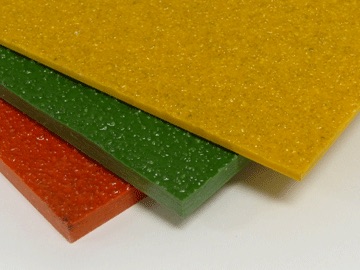 Fiberglass Fabricators
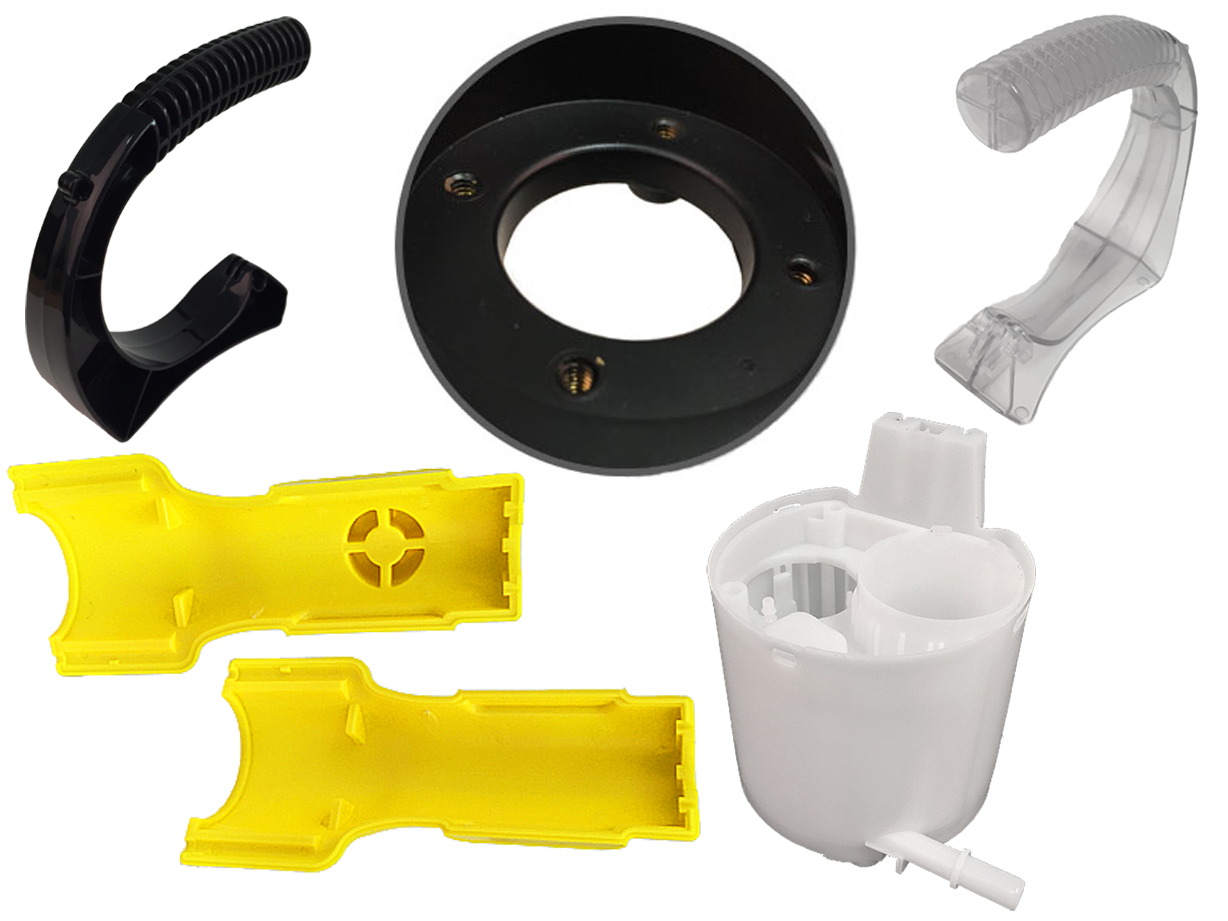 Injection Molded Plastics
 Plastic Blow Molding
 Plastic Dip Molding
 Plastic Extrusions
 Plastic Tubing
 Polyurethane Molding
 Rotational Molding
 Vacuum Forming
 Castings & Forgings
 Bulk Material Handling
 Electrical & Electronic Components
 Flow Instrumentation
 Hardware
 Material Handling Equipment
 Metal Cutting Services
 Metal Forming Services
 Metal Suppliers
 Motion Control Products
 Plant & Facility Equipment
 Plant & Facility Supplies
 Plastic Molding Processes
 Pumps & Valves
 Recycling Equipment
 Rubber Products & Services